Dental Implants
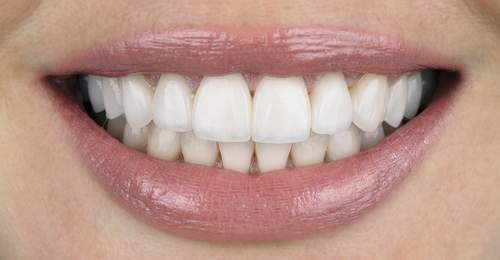
Dental implants are designed to provide a strong, long-lasting foundation for replacement teeth that look, feel, and function like natural teeth. People who have lost teeth can regain the ability to eat comfortably and smile with confidence, knowing their restoration appears natural and helps maintain facial structure.
Implants are small titanium posts that are surgically placed into the jawbone by a specialist. Over time, the bone bonds with the titanium to create a stable base for artificial teeth. This process also helps prevent bone deterioration that often occurs when teeth are missing.
Dental implants are transforming lives restoring comfort, confidence, and quality of life.
Evaluation for Dental Implants
If you’re considering dental implants, we begin with a thorough dental and radiographic examination and a review of your health history. During your consultation, your specific needs will be discussed by either Dr. Toft or Dr. Offord, in coordination with an Oral and Maxillofacial Surgeon we refer you to for surgical placement.
We’ll answer your questions and guide you through the process to ensure the best outcome for your implant restoration.
Our Role in Your Implant Treatment
Dental implant treatment is a collaborative process between a surgical specialist and a restorative dentist. The surgeon places the implant posts and performs any necessary procedures such as extractions or bone grafting. Once healing is complete, Drs. Toft and Offord will restore your smile by designing and fitting the final prosthetic teeth—whether a crown, bridge, or denture tailored for both function and aesthetics.
Dental Implant Restoration Process
Once the implants are placed and healed beneath the surface of the gums (typically three to six months), we begin the restorative phase. A small connector, or healing abutment, is attached to the implant, and impressions are taken.
From there, Drs. Toft and Offord create your final restoration, carefully crafted for comfort, appearance, and function. The process usually spans six to eight months, and most patients experience minimal disruption to their daily routine.